


When an accident happens at work, the path forward can seem uncertain. The primary safety net for employees is the workers’ compensation system, designed to provide benefits for injuries sustained on the job. However, many people are unsure what types of injuries qualify. Understanding the scope of this coverage is a critical first step for any injured worker. From sudden accidents to conditions that develop over time, the system is intended to cover a wide array of health issues that arise from employment, ensuring you can focus on recovery.

Among the most frequently reported workplace incidents, slips, trips, and falls can happen in any environment, from a construction site to an office. These accidents often result from hazards like wet floors, cluttered walkways, or uneven surfaces. The resulting injuries can range in severity from minor sprains and bruises to more serious conditions like bone fractures, concussions, or spinal cord damage.

Not all work-related injuries are the result of a single, sudden event. Many develop gradually due to the physical demands of a job. Overexertion injuries can occur from a single instance of lifting, pulling, or pushing something too heavy, often resulting in back or muscle strain. In contrast, repetitive motion injuries, like carpal tunnel syndrome or tendonitis, stem from performing the same motions over and over.

In environments with heavy machinery, moving vehicles, or stacked materials, employees face the risk of struck-by or caught-in/between accidents. These incidents can involve falling objects, being hit by a forklift, or getting a limb caught in equipment. The consequences are often severe, leading to crushing injuries, amputations, or significant trauma that requires extensive medical treatment and rehabilitation. Reporting these incidents promptly is vital to establishing a clear link between the accident and the resulting harm for a workers’ compensation claim.

Many jobs require employees to operate a vehicle, whether for deliveries, sales calls, or travel between worksites. If an accident occurs while an employee is performing their job duties, it is generally covered by workers’ compensation. Injuries from these accidents can range from whiplash and broken bones to more catastrophic outcomes, making it essential to understand all available avenues for compensation to cover medical bills and lost wages.
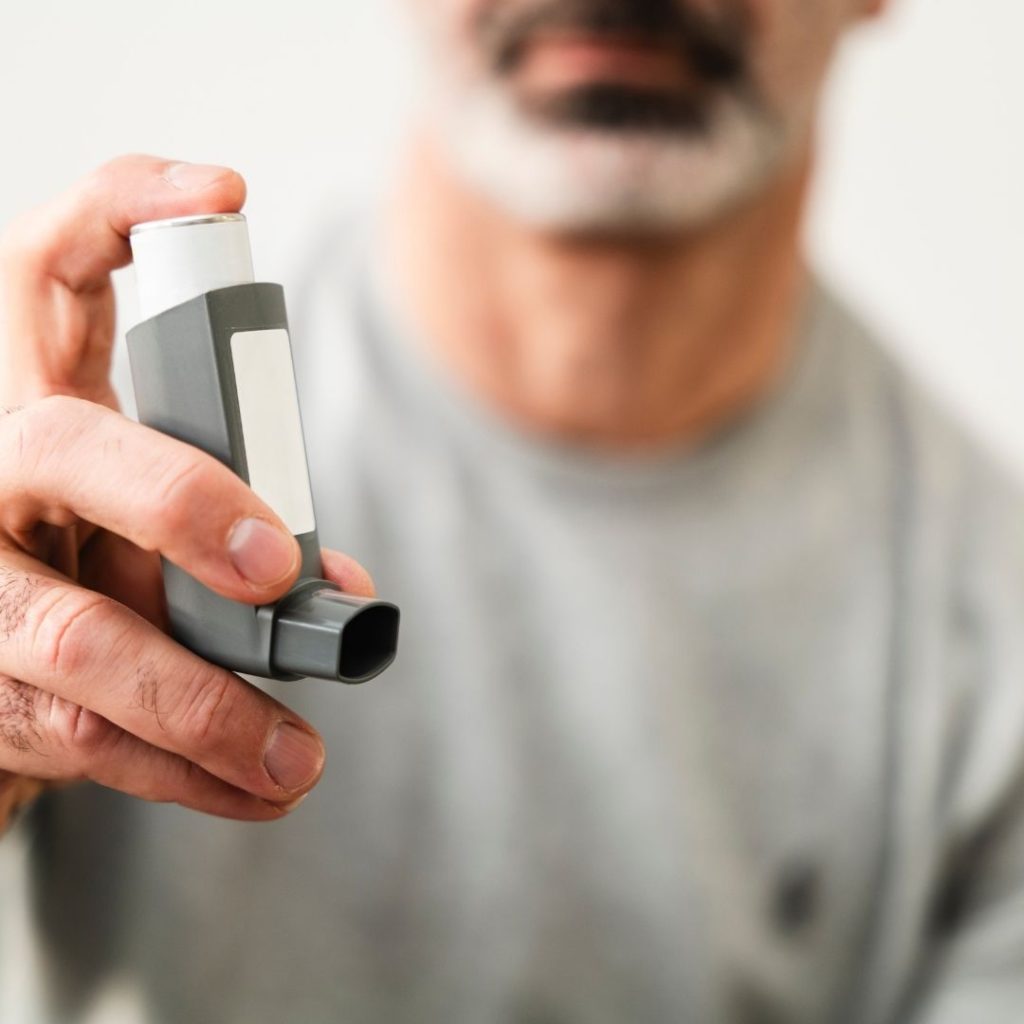
Certain occupations expose employees to dangerous chemicals, loud noises, or extreme temperatures, which can cause occupational illnesses or injuries over time. This category includes everything from skin burns caused by chemical contact and respiratory conditions like asthma from inhaling toxic fumes to hearing loss resulting from a consistently loud work environment. While these conditions may not manifest immediately, they are directly linked to the work environment, making them valid reasons to seek benefits through the workers’ compensation system.

While less visible, psychological injuries can be just as impactful as physical ones. A mental health condition, such as post-traumatic stress disorder (PTSD), that arises after a particularly traumatic workplace event (like a robbery or serious accident) may be covered. Similarly, work-related stress that leads to conditions like anxiety or depression can sometimes qualify, although these claims are often complex and highly scrutinized. Proving that the psychological condition is a direct result of extraordinary work conditions is key, and it often requires extensive documentation and medical opinions.
Navigating the aftermath of a workplace injury is challenging, but understanding that workers’ compensation covers a broad spectrum of incidents is the first step toward recovery. Pursuing a valid claim ensures you can access the necessary medical care and financial support to protect yourself and your family. If you have been injured on the job, the team at Mickle & Bass Law Firm has decades of combined experience in this area. We encourage you to learn more about your options and contact us for a consultation to discuss your case.