


When people think of workplace injuries, sudden accidents like falls or equipment failures often come to mind. However, years of repetitive daily labor can inflict severe, gradual damage on the human body. Cumulative trauma conditions—such as carpal tunnel syndrome, chronic tendinitis, and degenerative disc disease—are real medical conditions that frequently qualify for workers’ compensation under South Carolina law.
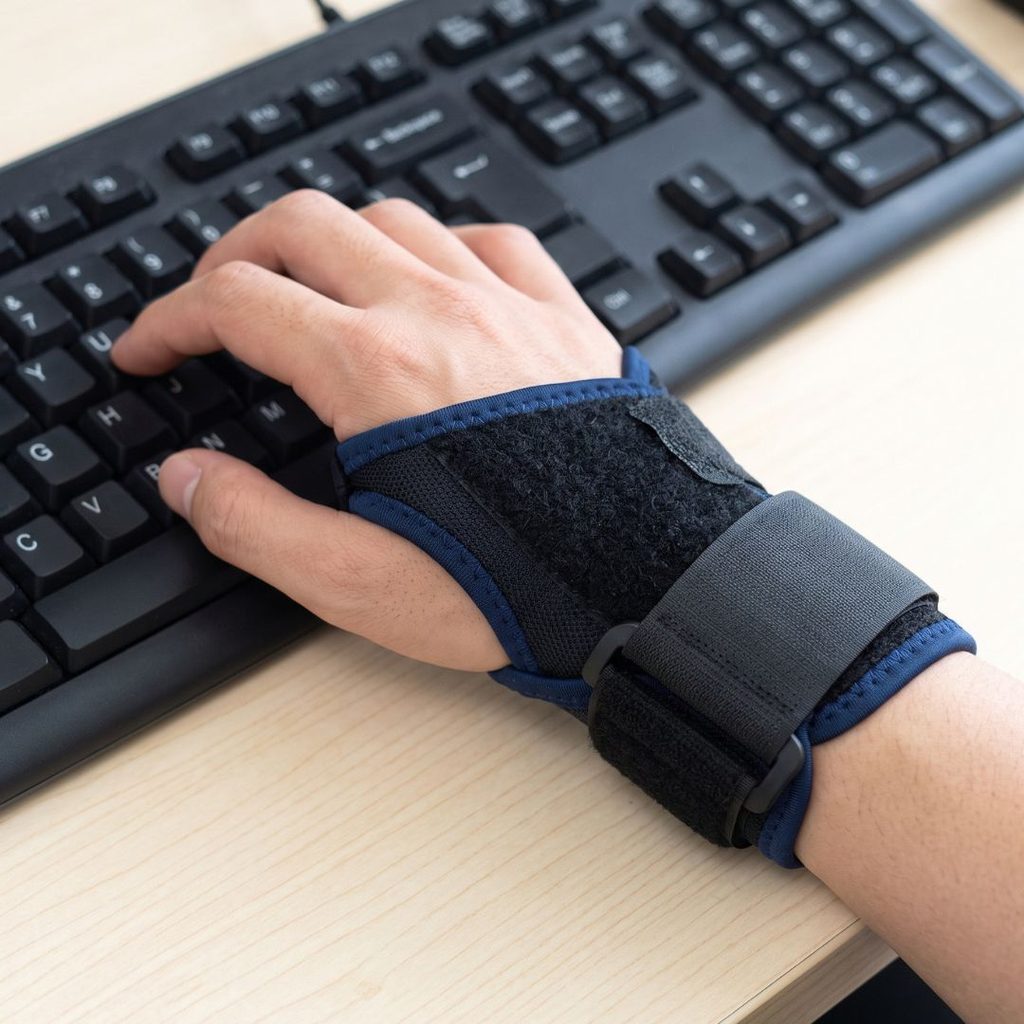
Cumulative trauma refers to physical damage that develops gradually over months or years of repetitive motions and physical strain. Daily workplace tasks like assembly line assembly, continuous typing, heavy lifting, or operating vibrating tools wear down joints, tendons, and spinal discs. Over time, these subtle, microscopic micro-tears manifest into severe chronic pain, weakness, numbness, and restricted physical mobility.

Securing benefits for wear-and-tear conditions requires proving your job duties directly caused or substantially aggravated your medical condition. South Carolina law demands objective medical evidence, such as diagnostic imaging, nerve conduction studies, and experienced physician opinions linking your physical breakdown to daily employment duties. Comprehensive medical documentation is essential to building an unassailable legal case against skeptical insurance carriers.

Unlike sudden accidents, pinpointing when a repetitive strain injury officially occurs can be complex and legally tricky. In South Carolina, the reporting timeline generally begins when a medical professional formally diagnoses the condition and links it to your work. Notifying your employer immediately upon diagnosis preserves your legal rights and prevents insurance companies from denying your claim for delayed reporting.

Insurance adjusters routinely attempt to deny repetitive strain claims by labeling them as pre-existing conditions or age-related degeneration. We aggressively challenge these insurance denials by presenting detailed medical evidence, professional occupational assessments, and treating physician testimony. Our dedicated legal strategy forces insurance carriers to recognize your legitimate work-related disability and pay full medical and financial benefits.
Proving a carpal tunnel and repetitive motion injury compensation claim in South Carolina requires strong medical evidence and experienced legal guidance to successfully overcome insurance carrier pushback. If years of dedicated physical labor have left you with debilitating joint damage, spinal degeneration, or severe nerve pain, you do not have to navigate the complex workers’ compensation system alone. As former Workers’ Compensation Commissioners, our team understands the exact evidentiary standards required to establish work-related causation for cumulative trauma. At Mickle & Bass Law Firm, we are committed to protecting injured workers and securing the maximum benefits you deserve. Contact Mickle & Bass Law Firm today to schedule a free, confidential consultation regarding your case.